

About The Course
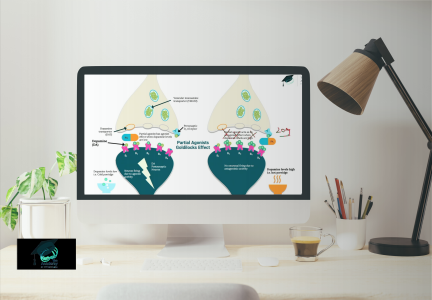
The Neuroscience of Addiction course led by Dr Sanil Rege explores the intricate mechanisms behind substance and behavioural addictions. Exploring the brain’s reward and punishment systems, it examines the fundamental role of dopamine, opioids, and other neurotransmitters. Participants will gain insights into the neuroadaptations that drive the transition from liking to compulsive seeking and learn how this knowledge translates into effective treatment strategies.
Who Is This Course For?
This course is suitable for:
- Psychiatrists
- General Practitioners (GPs)
- Mental Health Nurse Practitioners (MHNPs)
- Psychologists
- Mental health professionals
- Clinicians working in or expanding into psychiatry and mental health care
Accreditation Information:
- Psychiatry Accreditation: This course is available for self-accreditation with the RANZCP and other relevant psychiatric and mental health organisations.
- GP Accreditation: This course is available for self-accreditation with RACGP for general practitioners.
What You'll Learn
- Neuroscience of pleasure and pain
- Is addiction a disease? The Brain Disease Model of Addiction (BDMA)
- The fundamental role of dopamine in addiction
- Neuroadaptations in addiction – the cascade effects
- Treatment principles based on neuroscientific targets in addiction
Course Programme
10 Units | 20 Modules | 2 hours total length
- The pleasure principle and the drive to seek pleasure and avoid pain
- The impact of chemicals on positive emotions
- Recent scientific advances in understanding addiction
- The reward deficit theory, impulsivity theory, and habit learning theory of addiction
- The role of dopamine, opioids, the HPA axis, and other neurotransmitters
- Historical Relationship Between Humans and Psychotropic Plants
- Evolutionary Advantages of Substance Use
- Pica and the Connection Between Evolution and Behaviour
- The Mesolimbic, Nigrostriatal, and Mesocortical Dopamine Pathways
- Dopamine's Role in Goal-Directed Action and Habit Formation
- The Salience Network and the Impact of Trauma
- Reward Prediction Errors and Their Role in Learning and Motivation
- Binge/Intoxication, Withdrawal, and Negative Affect
- Incentive Salience and the Temporal Continuum Hypothesis
- Medications Targeting Different Aspects of Addiction
- Motivational Interviewing and CBT in Addiction Treatment
- The Role of Human Relationships in Addiction
- The Impact of Trauma on Opioid Systems
- Comorbidity Between Addiction and Psychiatric Disorders
- Integrating Psychiatric and Addiction Treatment Approaches
Course Description
Neuroscience of Addiction: Understanding the Brain’s Role in Addictive Behaviours.
The Neuroscience of Addiction course, led by consultant psychiatrist Dr. Sanil Rege, provides a comprehensive exploration of the neurobiological mechanisms underlying substance use disorders and behavioural addictions. Primarily focusing on the clinical application of addiction neuroscience, this course examines how the brain’s reward systems and key neurotransmitters, such as dopamine and opioids, contribute to addictive behaviours. It also explores how these insights translate into effective treatment strategies, ensuring that mental health professionals can apply cutting-edge neuroscience in clinical practice.
Designed for general practitioners, psychiatrists, psychologists, counsellors, and addiction specialists, this course equips participants with evidence-based strategies to diagnose and manage substance use disorders and behavioural addictions. By understanding the biological, psychological, and relational factors that drive addiction, professionals will be better positioned to deliver personalised, integrated care that supports long-term recovery.
Participants will receive a completion certificate and 2 CPD hours upon finishing the course. This course supports CAPE-related development in culturally safe practice, addressing health inequities, professionalism, and ethical practice.
The Evolutionary Basis of Addiction
To fully understand addiction, it is essential to explore its evolutionary origins. This course highlights the historical connection between humans and psychotropic substances, while also discussing the potential evolutionary advantages of substance use disorders. Additionally, participants will analyze dopamine pathways and their role in goal-directed actions and habit formation, offering valuable insights into the neurobiology of addiction.
The Cycle of Addiction and Treatment Approaches
Addiction follows a predictable cycle, progressing from binge/intoxication to withdrawal and negative affect. By examining incentive salience and the temporal continuum hypothesis, participants will gain a deeper understanding of why substance use shifts from pleasure-driven behaviour to compulsion.
Since effective management requires a multifaceted approach, this course covers both pharmacological and behavioural interventions that target reward systems, stress responses, and executive control. Furthermore, participants will explore evidence-based psychotherapeutic strategies, such as motivational interviewing and cognitive-behavioural therapy, to support long-term recovery.
Addressing Comorbidities and Trauma
Since addiction often coexists with other psychiatric conditions, a holistic treatment approach is crucial. This course examines the impact of trauma on the opioid system and the salience network, emphasizing how trauma-informed care can significantly improve patient outcomes.
By the end of this course, participants will have a strong foundation in the neuroscience of addiction, equipping them with the knowledge to provide evidence-based, personalised care for individuals struggling with substance use disorders and behavioural addictions.

While our Academy members enjoy exclusive access to a range of courses and webinars (including this course) with their annual membership, we’re pleased to offer you the opportunity to purchase it individually! Click here – Neuroscience of Addiction: Application to Clinical Practice with Dr Sanil Rege or scroll below to the pricing section.
This course on the Neuroscience of Addiction explores the neurobiological mechanisms underlying substance use disorders, including the role of reward systems and dopamine, to inform effective treatment approaches.
Course Information
- 2 hours
- 2 CPD
Inclusions
- 1.5 Hours of Video Lecture
- Self-assessment
- Course Completion Certificate
Material Downloads
- certificate
Instructor
 Dr Sanil Rege Speaker - MBBS, MRCPsych, FRANZCP
With extensive teaching experience through psychiatry education initiatives, Sanil is recognized as a motivational training facilitator and educator who promotes insightful collaboration and discussion
As the Academic Lead of Psych Scene and Chief Editor of Psych Scene Hub, he aspires to make a difference in mental health by empowering Healthcare Professionals to advance their skills and career through the provision of specialised education and training
Sanil is also founder of Vita Healthcare, a private clinic in Mount Eliza specialising in adult mental healthcare, with over 20 years of clinical experience and 13 years of private practice experience treating disorders across the spectrum. He currently works in the community, across in-patient, consultation-liaison and addiction psychiatry spaces.